The Wear-It-or-Lose-It Test: Finding the Clothes That Actually Feel Like You
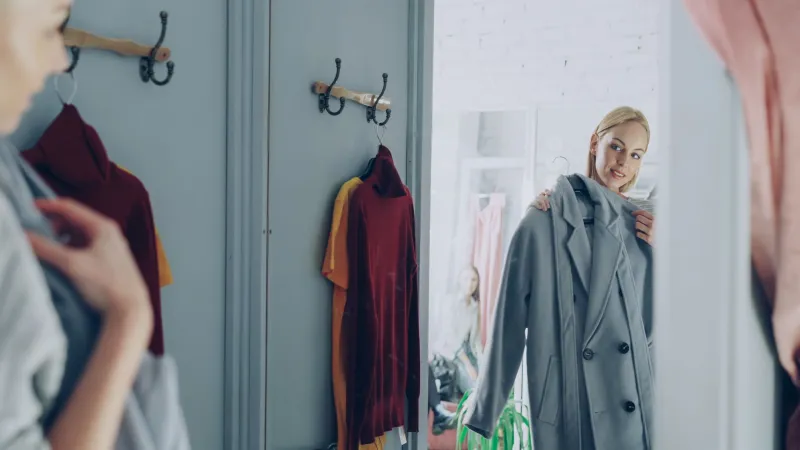
Here's a scenario that probably sounds familiar: you open your closet on a Tuesday morning, stare at a packed rack of options, and still feel like you have nothing to wear. Not because the clothes aren't there. They're definitely there. It's that most of them feel like they belong to a slightly different version of you — someone you were trying to be, or thought you should be, or maybe just someone who really loved a sale.
The fix isn't another purge. It's not a capsule wardrobe overhaul or a weekend shopping trip. It's something slower and honestly more useful: figuring out which pieces in your existing closet actually make you feel like yourself — and then using that data to stop making the same purchasing mistakes on repeat.
This is the Closet Confidence Audit. And it starts with actually trying things on.
Why You Have to Put It On
Most people evaluate their wardrobe visually. They look at a blouse on a hanger and think, that's a nice blouse, or I haven't worn that in a while, and make a keep-or-toss call based entirely on how it looks hanging there. The problem is that clothes don't live on hangers. They live on your body, in your day, in the specific context of your real life.
The only way to know whether a piece actually works for you is to wear it. Not just put it on and glance in the mirror. Wear it for a few hours. Run an errand in it. Sit down in it. See how you feel walking past a window reflection. That's where the real information lives.
Set aside a weekend afternoon — or a few evenings if that's more realistic — and commit to trying on everything you haven't reached for in the last three months. Not to decide whether to keep it, but to gather information.
The Three Questions That Tell You Everything
As you wear each piece, you're only trying to answer three questions:
1. Does it make me feel more like myself, or less? This one's harder to articulate than it sounds, but you'll know it when you feel it. Some clothes make you feel like you're performing a character. Others feel like an extension of who you already are. The goal is to identify which category each item falls into — not based on how it looks, but how it registers internally.
2. Do I feel the need to explain it? If you put something on and your first instinct is to think this would work if I just added the right belt or nobody will get this unless I style it a certain way, that's a signal worth noting. Pieces that genuinely fit your personal style don't usually require that much mental negotiation.
3. Would I reach for this on a day I actually care about? Not a lazy Sunday. Not a day when you're just running to the grocery store. Think about a day when you want to feel good — a dinner with friends, a work presentation, a first date. Would this item make the shortlist? If the honest answer is no, that tells you something.
Look for Patterns, Not Just Pieces
The real payoff of this process isn't deciding what to keep. It's recognizing the patterns in what consistently makes you feel confident.
Maybe you notice that every piece you'd reach for on a good day has a relaxed, slightly oversized silhouette. Or that the colors you feel best in are all in the same muted, earthy range. Maybe it's a texture thing — you feel more like yourself in something with a little weight to it, or conversely, in fabrics that move. These aren't random preferences. They're personal style signals, and most people have never taken the time to consciously identify them.
Write them down. Seriously — grab your phone and make a note. Something like: I feel most like myself in straight-leg pants, relaxed tops, and anything in a warm neutral. That list becomes your personal style compass, and it's worth more than any trend report.
What to Do With the Pieces That Don't Make the Cut
Once you've gone through everything, you'll likely have a pile of items that just didn't deliver. Before you donate them or sell them, do a quick gut-check on why they didn't work. Was it the fit? The color? The vibe? Understanding the reason helps you avoid buying the same type of thing again.
For example, if you realize that every structured blazer you own makes you feel stiff and unlike yourself, that's useful information. It doesn't mean blazers are universally wrong — it might mean you need a softer, more relaxed cut, or that blazers just genuinely aren't part of your style language. Either way, now you know. You won't keep buying them hoping one will finally click.
Using Your Findings to Shop Smarter
This is where the audit pays off long-term. Once you know your personal style signals — the silhouettes, textures, and color stories that consistently make you feel grounded and confident — you have a filter for every future purchase.
Next time you're browsing online or standing in a dressing room, run the item through your mental checklist. Does it match the patterns you identified? Does it feel like it belongs in the same wardrobe as the pieces you'd actually reach for on a day that matters?
If the answer is no, it doesn't matter how good the deal is or how much it's trending on social. It'll end up in the same pile as everything else you're trying to clear out.
Shopping with this kind of intentionality sounds simple, but it's actually a significant shift. Most purchasing decisions are emotional and impulsive. This approach makes them deliberate. You're not shopping for what looks cool in isolation — you're shopping for what fits into the specific style story you've already figured out works for you.
The Confidence Is Already in Your Closet
Here's the thing nobody really talks about: most people already own some version of their ideal wardrobe. It's just buried under everything else. The pieces that make you feel genuinely good are already there — you've just never formally identified them or given yourself permission to build around them.
The Closet Confidence Audit isn't about starting over. It's about getting clear. Clear on what works, why it works, and how to replicate that feeling without wasting money chasing something that was never going to fit your style in the first place.
Get stylish doesn't mean get more stuff. It means get smarter about the stuff you already have — and the stuff you bring in next.